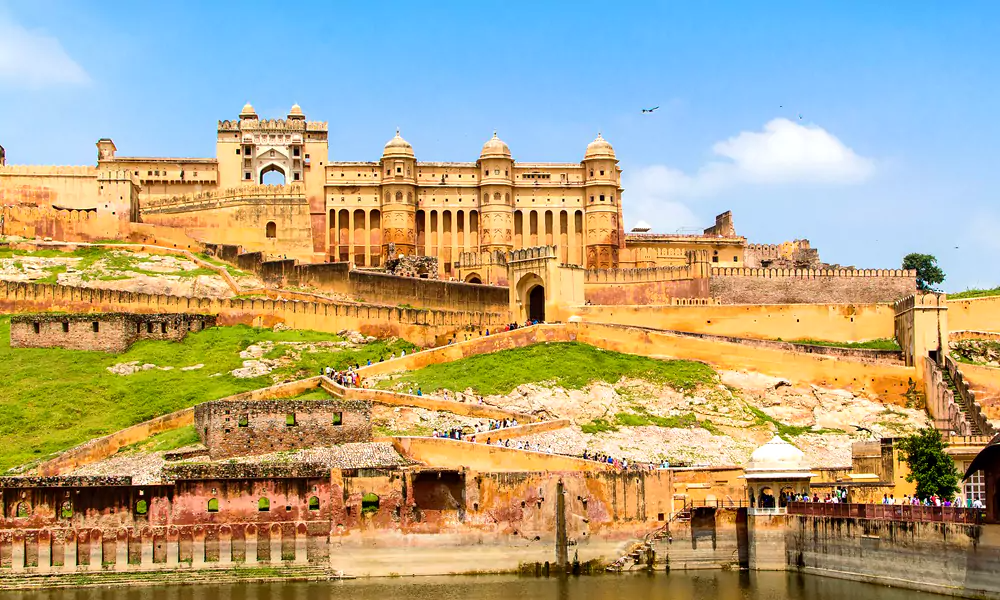
AMBER PALACE
One of the top tourist attractions of Jaipur, the huge Amer Palace Fort sits atop a small hill, and is located at a distance about 11 km from the main city. The magnificent Amer Fort is an extensive palace complex that has been built with pale yellow and pink sandstone, and with white marble. The fort is divided into four main sections that are graced with their own courtyards.
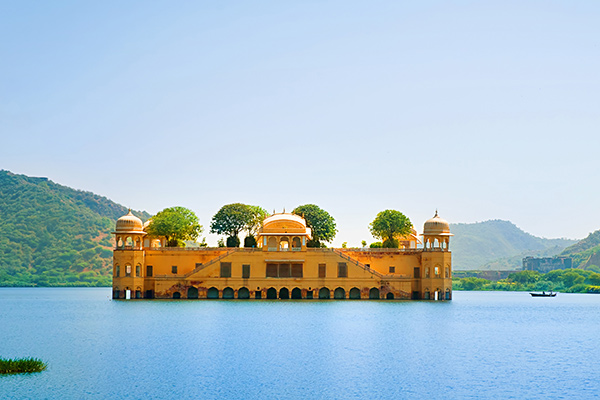
Jal Mahal
One of the most wonderful sights in Jaipur is the beautiful Jal Mahal or Lake Palace. The light, sand coloured stone walls and the deep blue of the water make for a wonderful contrast. The palace appears to float in the centre of Man Sagar Lake, where its magnificent exteriors can be enjoyed by tourists.
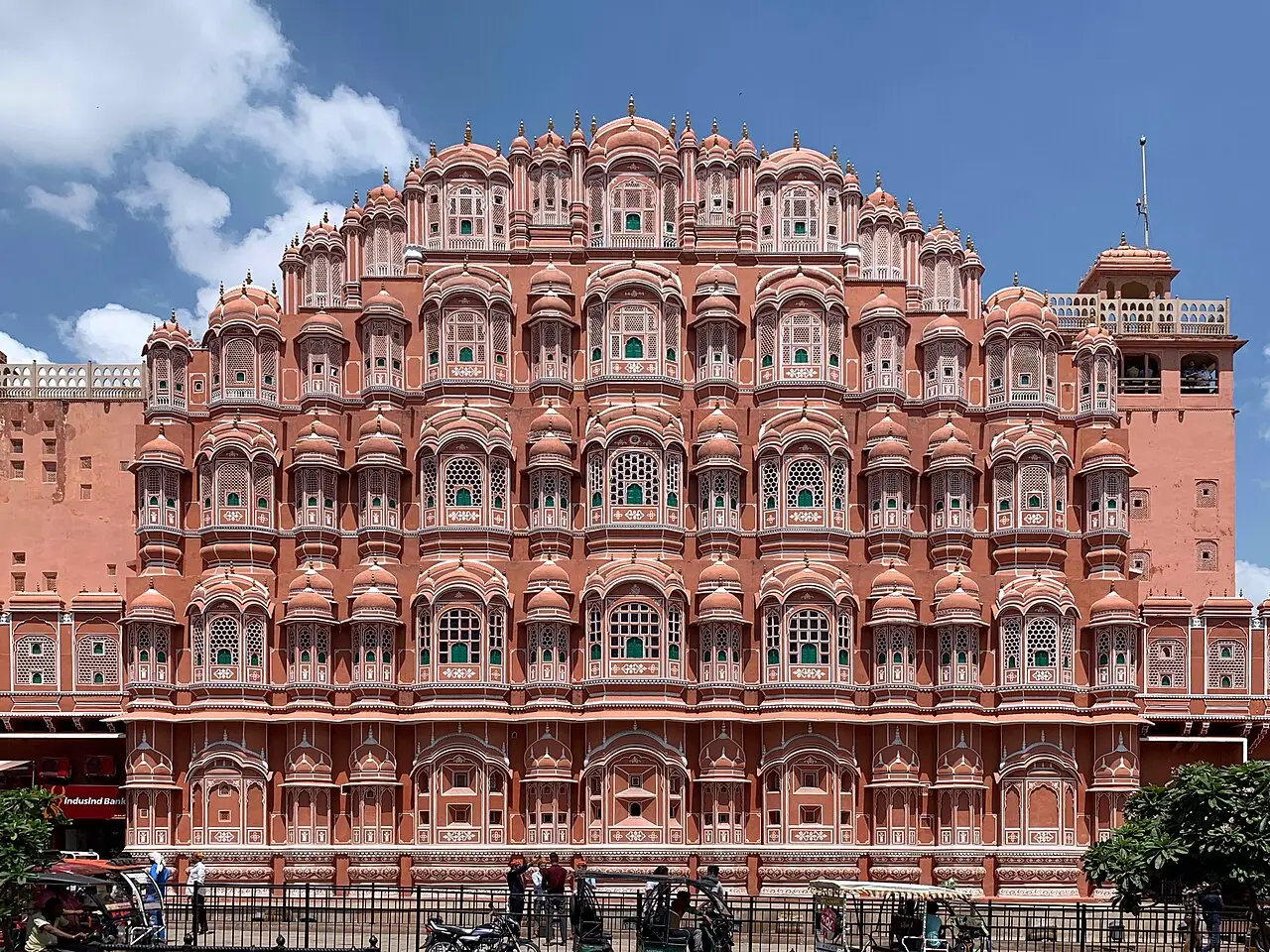
Hawa Mahal
It was built in 1799 by Maharaja Sawai Pratap Singh. The building is famous for its hundreds of small windows. Its unique design allows natural air to circulate through the palace. It was designed so royal women could observe street life privately. The pink façade represents Jaipur’s famous architectural identity. It is located near the main markets of the old city
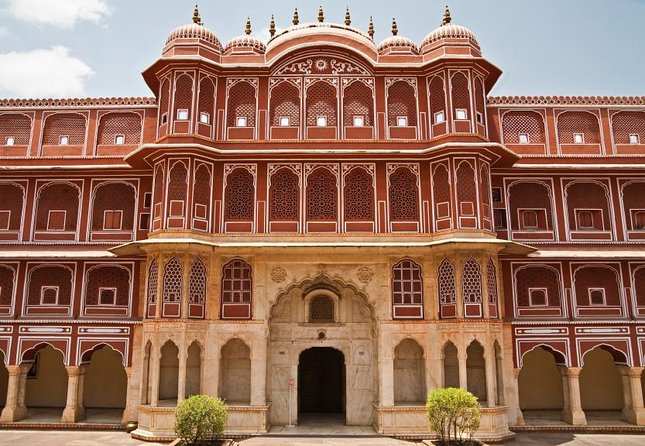
City Palace
City Palace is situated in the heart of Jaipur’s old city. It was established by Maharaja Sawai Jai Singh II. The complex contains palaces, courtyards, museums and gardens. Visitors can see royal costumes, weapons and historical objects. The architecture combines Rajput, Mughal and European influences. Chandra Mahal is one of the major structures inside the complex. It provides an excellent glimpse into Jaipur’s royal history
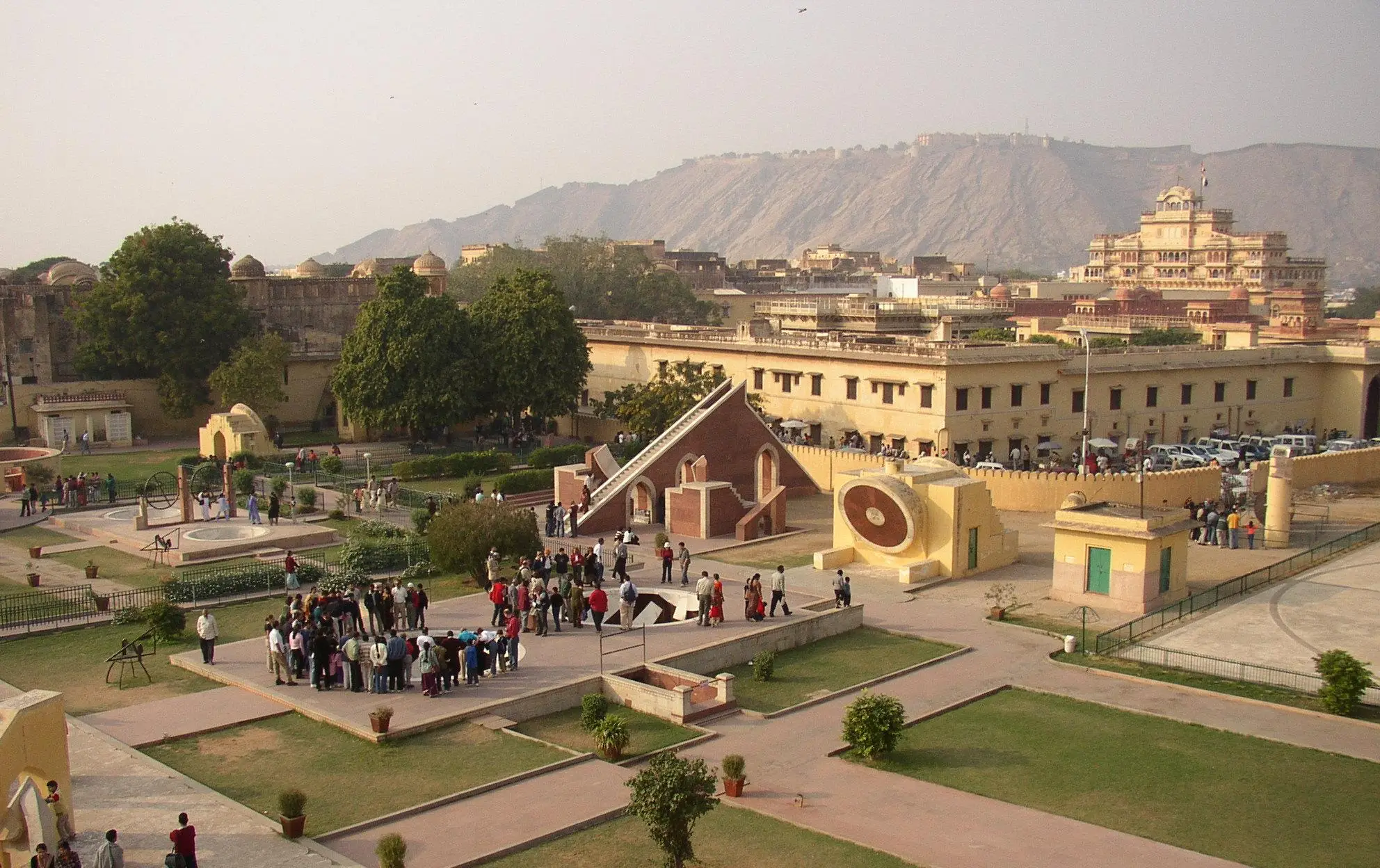
Jantar Mantar
Jantar Mantar is a famous astronomical observatory in Jaipur. It was built by Maharaja Sawai Jai Singh II. The site contains several large astronomical instruments. These instruments were used to study time and celestial movements. Samrat Yantra is its most famous instrument. It is recognized as a UNESCO World Heritage Site. The observatory shows the scientific knowledge of 18th-century India.
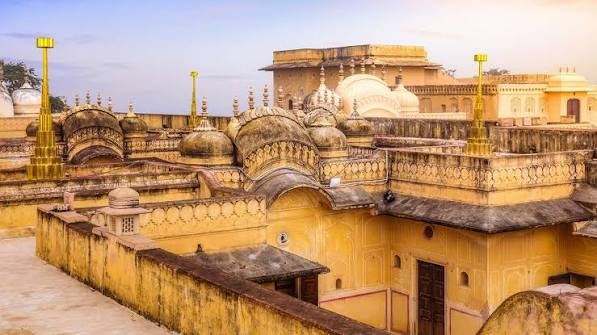
Nahargarh Fort
Nahargarh Fort stands majestically on the Aravalli Hills overlooking Jaipur. The fort was built in the 18th century as part of Jaipur’s defence system. It offers spectacular panoramic views of the Pink City and surrounding landscape. The fort is known for its historic walls, courtyards and palace interiors. Madhavendra Bhawan is one of its most notable architectural features. The location makes it especially popular for sunset and city-view experiences. Nahargarh beautifully combines history, architecture and natural scenery.
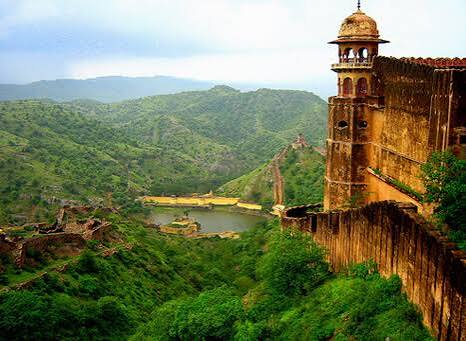
Jaigarh Fort
Jaigarh Fort is a massive hilltop fort located near Amer Fort. Built primarily as a military stronghold, it is known for its impressive defensive architecture. The fort has thick walls, watchtowers, gateways and large open courtyards. It is famous for housing the historic Jaivana Cannon. Visitors can enjoy panoramic views of the Aravalli Hills and surrounding areas. The fort also provides fascinating insights into Rajasthan’s military history. Jaigarh is an important destination for history and architecture enthusiasts.
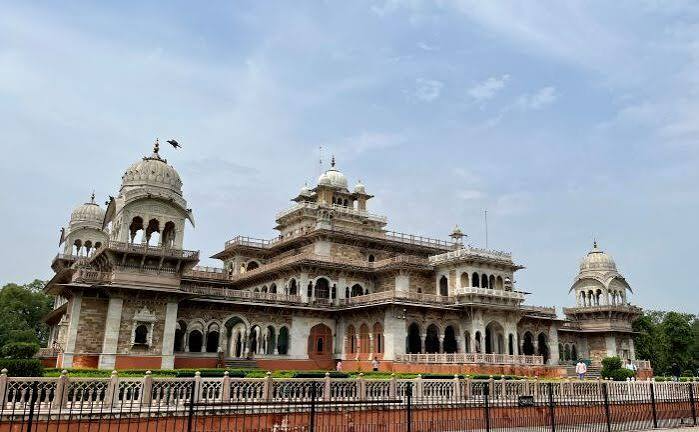
Albert Hall Museum
Albert Hall Museum is one of Jaipur’s most prominent cultural landmarks. Located in the historic Ram Niwas Garden, it is known for its beautiful Indo-Saracenic architecture. The museum houses an extensive collection of art and historical artefacts. Visitors can see paintings, sculptures, textiles, weapons, carpets and handicrafts. Its impressive exterior becomes especially attractive when illuminated at night. The museum provides a glimpse into Rajasthan’s rich artistic and cultural traditions. It is an important stop for visitors exploring Jaipur’s heritage.
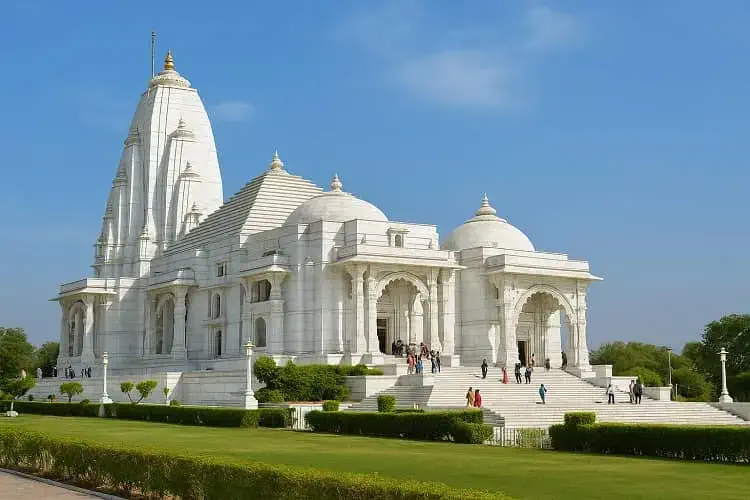
Birla Mandir
Birla Mandir is a beautiful white-marble temple located near Moti Dungari Hill. The temple is dedicated to Lord Vishnu and Goddess Lakshmi. Its elegant architecture features intricate marble carvings and decorative details. The walls also display images and teachings associated with different religious traditions. The temple looks particularly beautiful when illuminated after sunset. Its peaceful surroundings provide a calm escape from the busy city. Birla Mandir is both a spiritual and architectural attraction in Jaipur.
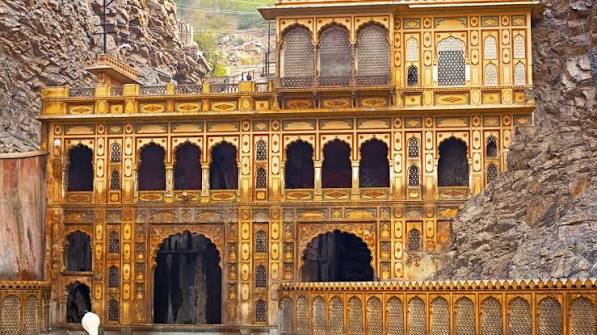
Galtaji Temple
Galtaji Temple is an ancient Hindu pilgrimage site surrounded by the Aravalli Hills. The complex contains several temples, natural springs and sacred water tanks. The natural surroundings give the site a peaceful and distinctive atmosphere. Visitors can see traditional architecture and beautifully carved temple structures. The site is also popularly known as the Monkey Temple because of its many monkeys. The surrounding hills offer scenic views and opportunities for photography. Galtaji is an interesting combination of spirituality, history and nature.
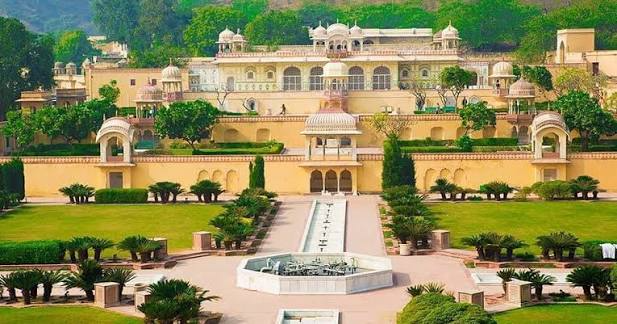
Sisodia Rani Garden
Sisodia Rani Garden is a historic garden located on the outskirts of Jaipur. It was built in the 18th century by Maharaja Sawai Jai Singh II. The garden was created for his queen from the Sisodia Rajput family. It features landscaped terraces, fountains, water channels and beautiful pavilions. The walls are decorated with paintings inspired by the stories of Radha and Krishna. Its peaceful environment makes it a pleasant place to explore away from the city centre. The garden reflects Jaipur’s royal taste for art, nature and architecture.
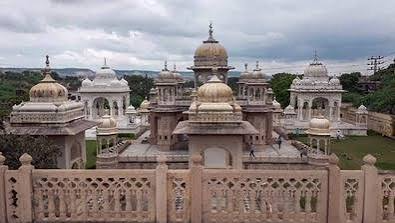
Gaitore
Gaitore is a historic royal memorial complex located near the foothills of the Aravalli Hills. It is the traditional cremation site of Jaipur’s former royal family. The site is famous for its beautifully carved marble and sandstone chhatris. Each memorial showcases detailed craftsmanship and traditional Rajput architectural elements. The peaceful surroundings provide a different perspective on Jaipur’s royal heritage. The intricate domes, pillars and carvings make it popular among architecture lovers. Gaitore offers an opportunity to discover a quieter side of Jaipur’s history.